A smart telescope, a passion for the sky, and that’s enough
Deep sky photos with a smart telescope
This site started with a Seestar S50 and one too many clear nights. You’ll find here what I wish I had when I first unboxed mine.
A site built for smart telescopes
Smart telescope astrophotography is my passion. I created Form’Astro to gather everything I wish I’d found when I unboxed my Seestar S50.
“The raws your telescope gathered last night already contain something beautiful. You just need to know how to bring it out.”
From raw Seestar to final result
Drag the slider to compare raw Seestar S50 images with the post-processed result. This is exactly what the guide teaches you to do.
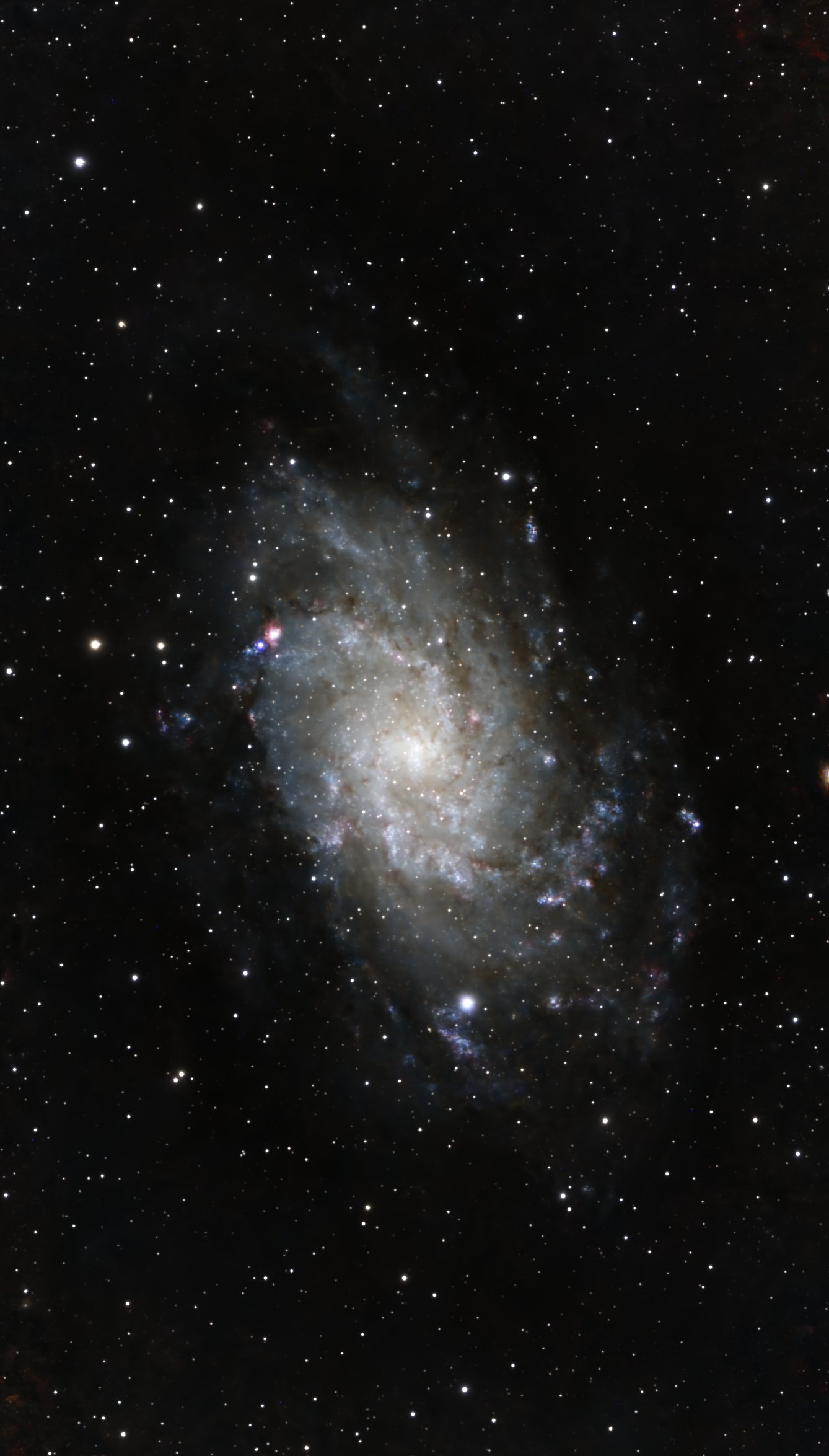
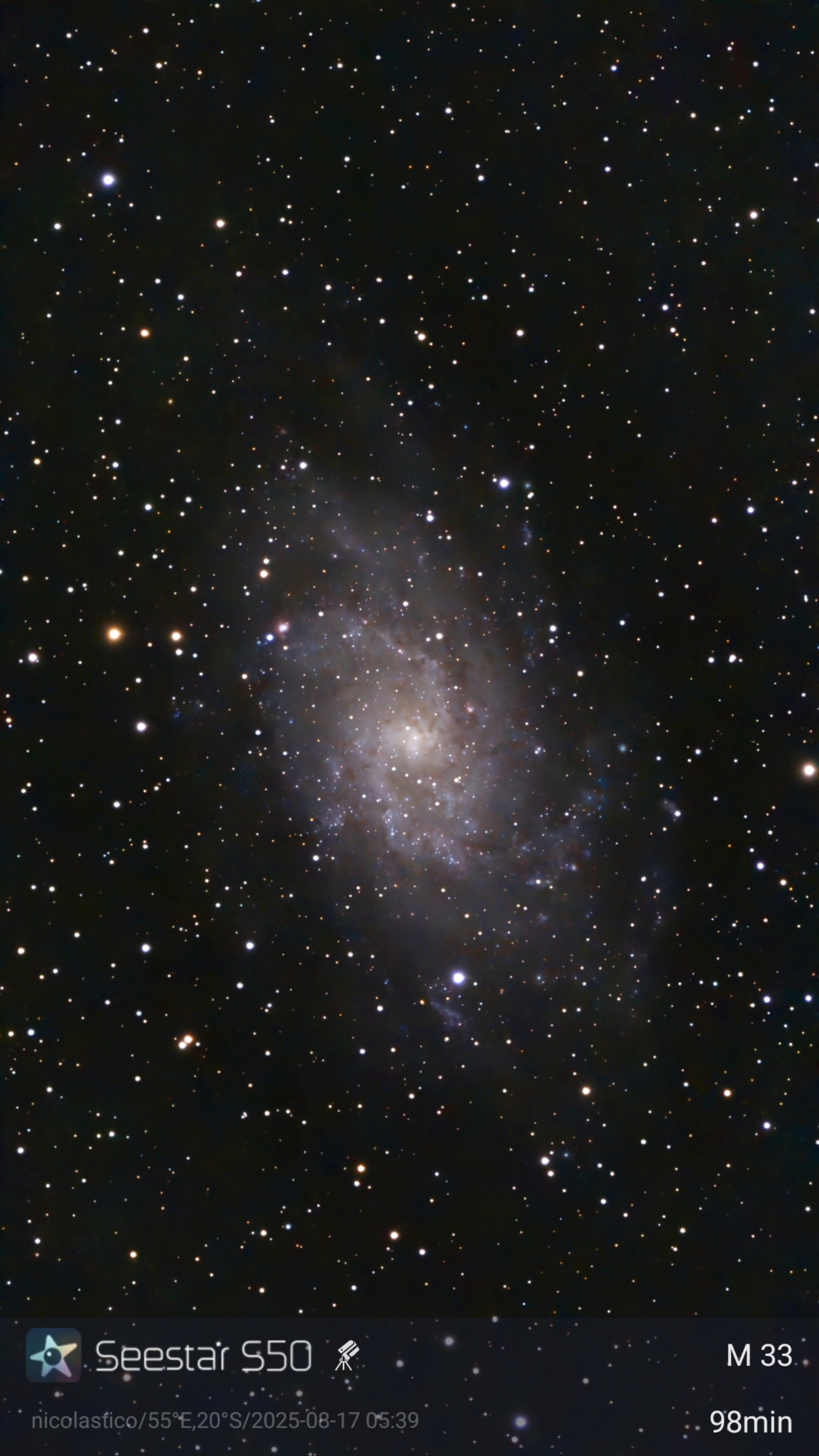 Seestar
M 33 – Galaxie du Triangle
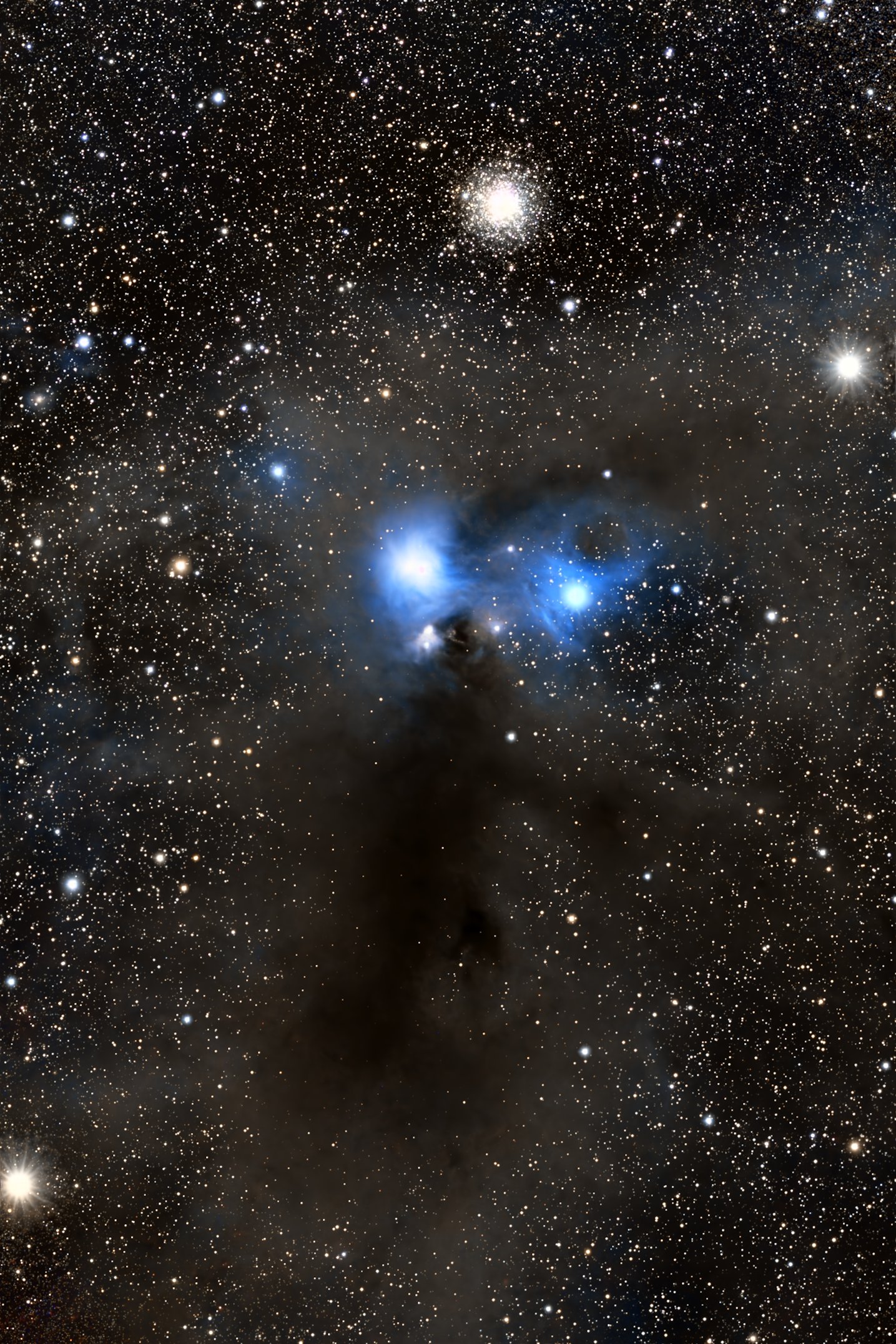
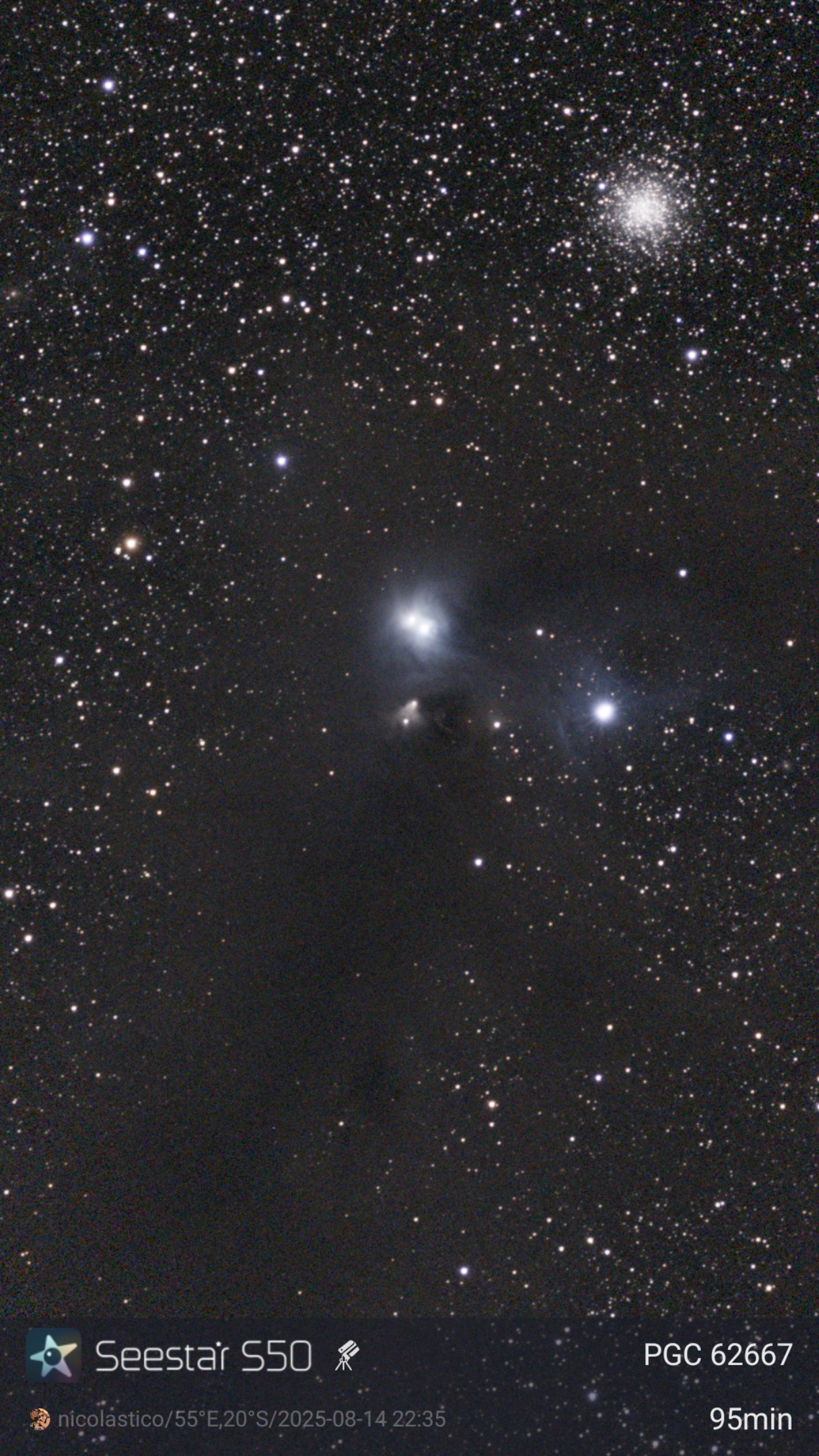 Seestar
NGC 6729 – Nébuleuse de la Couronne
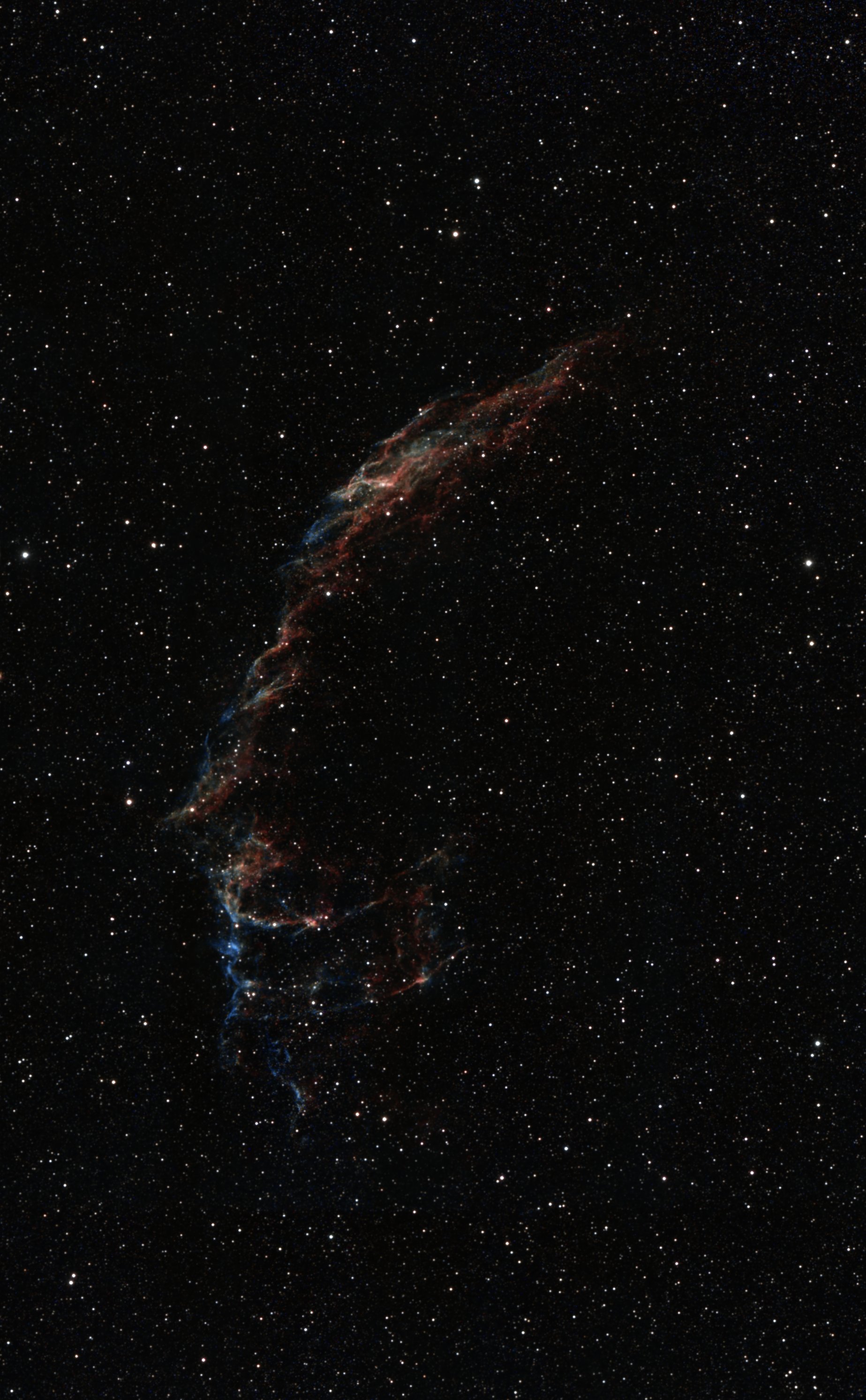
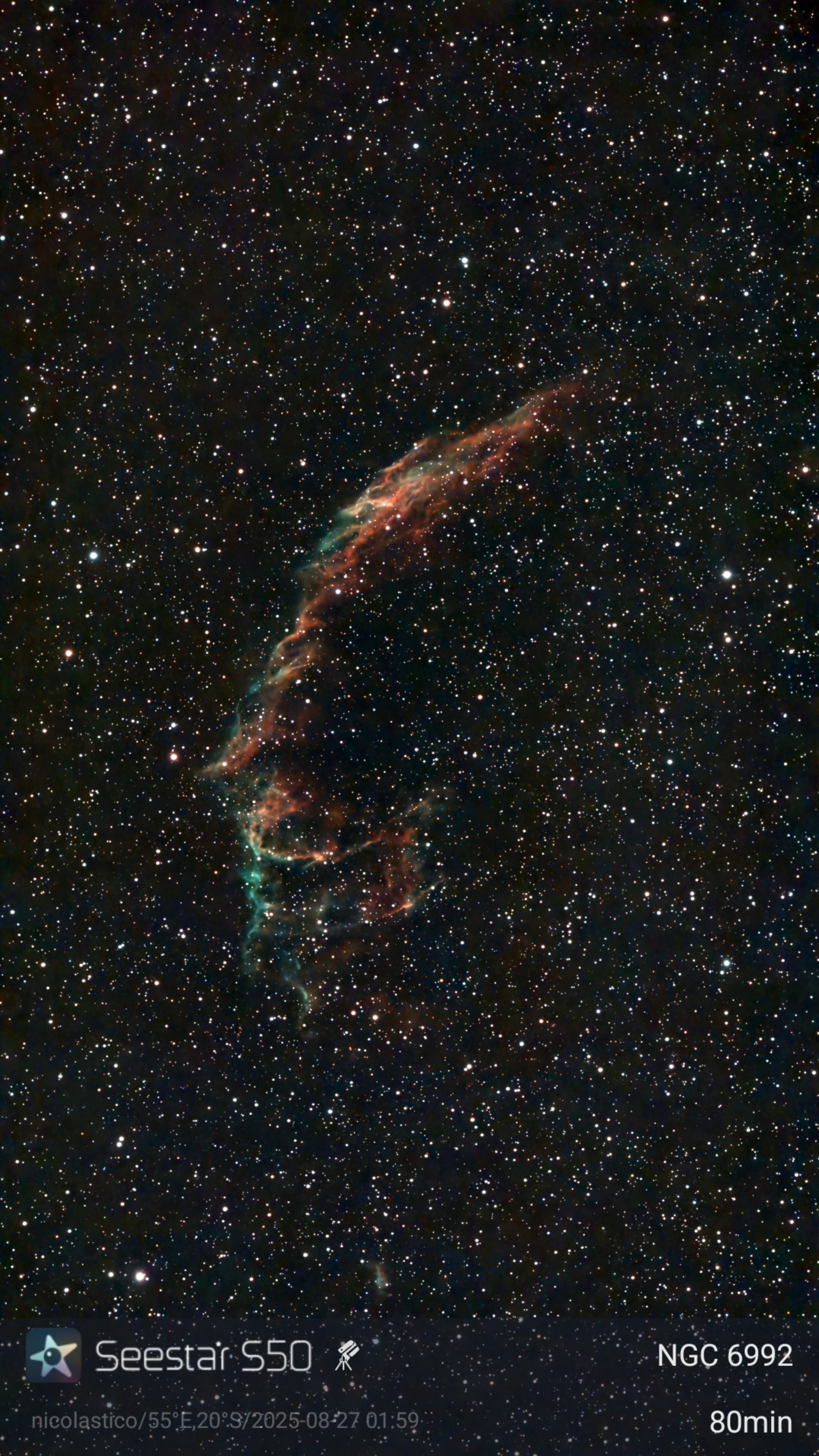 Seestar
NGC 6992 – Dentelles du Cygne
The complete guide
From your first night to the final image
I wrote this guide because I couldn’t find what I needed when I started. No jargon, no unnecessary theory: just what it takes to get an image you’re proud of.
Getting started
Understand what your smart telescope does (and doesn’t), and set up the right conditions for your first night out.
What does my telescope produce?
Raw files, FITS, stacks: understand what you get and how to work with it.
Capturing great images
The right settings, the right number of exposures, choosing targets: everything to maximize quality from the start.
Work environment
Install Siril, GraXpert and scripts in minutes, and organize your files properly.
Process in minutes
Stack, calibrate, remove gradients and export a share-ready image. Painlessly.
Going further
A few concepts to progress at your own pace, without drowning in technicalities.
Toolbox
The tools I use, all free
These three pieces of software cover 95% of what you’ll need. They’re free, actively maintained, and the blog articles here will show you how to get the most out of them.
Siril
The core tool of your workflow. Stacking, calibration, gradient removal, stretching: everything you need to go from raw file to final image.
GraXpert
Remove light pollution gradients in a few clicks with AI. A perfect complement to Siril for flawless sky backgrounds.
Stellarium
Plan your sessions before heading out: find tonight’s visible targets, their position and the best time to capture them.
“The first time a nebula appears on screen after processing, you understand why you do this.”
Got a smart telescope and files to process?
That’s exactly why I wrote this guide. 91 pages, no jargon, free tools, and a method I wish I’d had from day one.
Discover the guideBrowse the gallery of processed images